

Updated March 2026 · 6 min read · Vet-reviewed
Can dogs eat cashews? Yes — dogs can eat cashews in small amounts as an occasional treat. Plain, unsalted cashews are not toxic to dogs and contain useful nutrients including protein, healthy fats, and magnesium. However, they are high in fat and calories, so they must be given sparingly and prepared correctly to avoid health problems. Some nuts, like macadamia nuts, are highly dangerous for dogs — see our guide to toxic foods for dogs for the full list.
In this vet-reviewed guide, you'll learn the health benefits of cashews for dogs, the risks of overfeeding, how many cashews are safe, which cashew products to avoid entirely, and when to call a vet.
Veterinarians generally recommend offering cashews only as an occasional treat — not a regular snack — and always consulting a vet first if your dog has existing health conditions such as obesity, pancreatitis, or kidney disease.
Quick Answer: Can Dogs Eat Cashews Safely?
Yes, dogs can eat plain, unsalted, roasted or cooked cashews in very small portions. Cashews should only be an occasional treat. Never give dogs salted, flavored, or raw cashews in the shell, and avoid cashew butter with added sugar or xylitol. Dogs with obesity, pancreatitis, or kidney problems should not eat cashews without veterinary approval.
| Safe for Dogs? | ✅ Yes, in moderation — plain and unsalted only |
| Main Benefits | Protein, healthy fats, magnesium, zinc, antioxidants |
| Main Risks | High fat and calories; risk of pancreatitis or obesity if overfed |
| Safe Serving | 1–2 plain roasted cashews, occasionally |
| What to Avoid | Salted, flavored, raw-in-shell, cashew butter with xylitol or sugar |
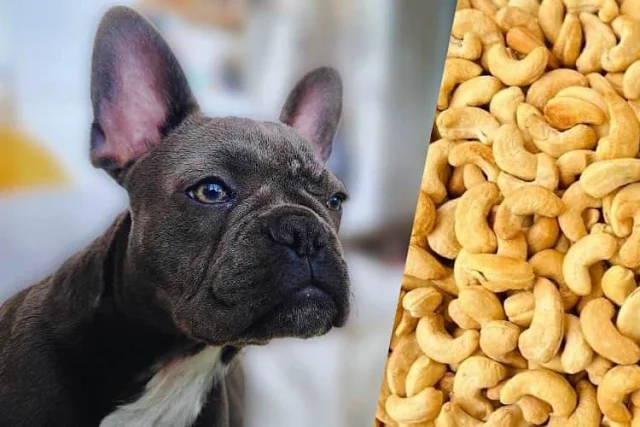
Can Dogs Eat Cashews?
Cashews are one of the milder nuts when it comes to dog safety. Unlike macadamia nuts — which are highly toxic to dogs — cashews do not contain compounds that are directly poisonous. That said, "not toxic" does not automatically mean "freely safe." Cashews are calorie-dense, high in fat, and rich in phosphorus, which means overfeeding carries real risks.
The key rule is simple: plain, unsalted, roasted cashews in very small amounts are fine for most healthy adult dogs. Everything beyond that requires more caution. For a broader overview of what dogs can and cannot eat, explore our dog nutrition guides and our detailed list of toxic foods for dogs.
Health Benefits of Cashews for Dogs
When offered correctly, cashews provide a handful of genuine nutritional benefits:
Good Source of Protein for Dogs
Cashews contain plant-based protein that contributes to muscle maintenance and overall body function. While dogs primarily get protein from meat-based diets, cashews can offer a small supplementary boost.
Healthy Fats and Antioxidants for Dogs
The unsaturated fatty acids in cashews support skin and coat health, and their antioxidant content may help reduce oxidative stress. These are the same benefits that make cashews a popular snack for humans.
Magnesium and Zinc Support for Dogs
Cashews are a decent source of magnesium and zinc — minerals that support bone health, immune function, and enzyme activity in dogs. These micronutrients play a role in maintaining overall wellbeing when part of a balanced diet.
Risks of Feeding Cashews to Dogs
Despite the benefits above, there are important risks to understand before offering cashews to your dog:
⚠️ Key risks to be aware of:
- High fat content: Cashews are very high in fat. Regular or excessive feeding can contribute to obesity and, more seriously, trigger pancreatitis — a painful and potentially life-threatening inflammation of the pancreas.
- High calories: Even a small handful of cashews contains significant calories for a dog. This adds up quickly, especially in small breeds.
- Phosphorus load: Cashews are high in phosphorus, which can strain the kidneys over time. Dogs with kidney disease should not eat cashews.
- Salt toxicity risk: Most commercial cashews are salted. Excess sodium causes dehydration, increased thirst, and in large amounts, salt poisoning in dogs.
- Choking hazard: Whole cashews can be a choking risk for small dogs. Always break them into smaller pieces.
Dogs with diabetes, obesity, pancreatitis, or kidney disease should not eat cashews without explicit veterinary approval. Even though cashews are lower in fat than macadamia or Brazil nuts, their starch and fat content still makes them a risky snack for these groups.
Always ensure cashews are fresh and mold-free. Nuts stored in damp conditions can develop aflatoxins or tremorgenic mycotoxins — substances that are toxic to a dog's liver and nervous system and can cause tremors or seizures even in small amounts.
Too many fatty snacks can also affect your dog's digestion and daily energy levels. Learn more in our guide: How Many Hours Does a Dog Sleep Per Day.
How to Safely Feed Cashews to Your Dog
If your dog is healthy and you'd like to offer cashews occasionally, follow these guidelines every time:
- Plain and unsalted only. Never give your dog salted, honey-roasted, spiced, or flavored cashews. The seasonings and added sodium cause more harm than the nut itself.
- Roasted or cooked — not raw in the shell. Raw cashews still inside the shell contain urushiol — the same compound found in poison ivy — which can cause a toxic reaction. Always use shelled, roasted cashews from the human snack aisle.
- Break into small pieces. Especially important for small and medium breeds to prevent choking.
- Limit to 1–2 cashews at a time. This is a treat, not a meal component. Keep portions tiny.
- Occasional only — not daily. Offering cashews two or three times a week at most is fine for healthy dogs. Daily feeding increases the cumulative fat intake risk.
- Avoid cashew butter. Most commercial cashew butters contain added sugar, salt, and sometimes xylitol — an artificial sweetener that is highly toxic to dogs even in small quantities. Always check ingredients before offering any nut butter product.
- Introduce gradually. The first time you offer a cashew, give just a small piece and monitor for any digestive upset or allergic reaction before continuing.
How Many Cashews Can a Dog Eat?
Portion size should always be guided by your dog's weight and overall calorie intake. Cashews should never make up more than 10% of your dog's daily calories.
| Dog Size | Safe Portion |
| Small dogs (under 20 lbs) | 1 cashew broken into pieces, occasionally |
| Medium dogs (20–50 lbs) | 1–2 cashews occasionally |
| Large dogs (over 50 lbs) | 2–3 cashews occasionally |
If your dog accidentally eats a larger quantity of cashews, monitor them closely for vomiting, diarrhea, lethargy, or signs of abdominal pain. Contact your vet if symptoms appear.
When to Call the Vet
Contact your veterinarian if your dog shows any of these symptoms after eating cashews:
- Vomiting that continues or repeats over several hours
- Diarrhea lasting more than 24 hours
- Swollen, rigid, or painful abdomen
- Lethargy or sudden loss of energy
- Excessive thirst or urination (sign of salt overload)
- Any reaction after eating raw, shelled, or flavored cashews
Frequently Asked Questions About Dogs and Cashews
Are cashews toxic to dogs?
Plain cashews are not toxic to dogs. However, raw cashews still in the shell contain urushiol, which can be harmful. Salted or flavored cashews also pose risks due to high sodium and additives. Always choose plain, roasted, shelled cashews.
Can dogs eat salted cashews?
No. Salted cashews contain levels of sodium that are harmful to dogs and can cause dehydration, excessive thirst, and in larger amounts, salt toxicity. Always choose plain, unsalted cashews.
Can dogs eat cashew butter?
Most commercial cashew butters are not safe for dogs because they contain added sugar, salt, and sometimes xylitol — which is highly toxic to dogs. If you want to offer cashew butter, choose a plain, unsweetened variety with no additives and check the ingredients carefully for xylitol before use.
Can cashews cause pancreatitis in dogs?
Yes, if fed in excess. Cashews are high in fat, and a sudden large intake of fatty foods is one of the most common triggers of pancreatitis in dogs. Dogs with a history of pancreatitis should not eat cashews at all without veterinary clearance.
How many cashews can I give my dog?
For small dogs, one cashew broken into pieces is enough. Medium dogs can have 1–2 cashews, and large dogs up to 3, given only occasionally. Cashews should never become a daily treat due to their high fat and calorie content.
Can puppies eat cashews?
Puppies should not eat cashews. Their digestive systems are more sensitive to high-fat foods than adult dogs, and even small amounts can cause stomach upset. Wait until your dog is fully grown before considering cashews as an occasional treat, and always consult your vet first.
Cashews vs Other Nuts for Dogs
Cashews are considered one of the safer nuts for dogs, but not all nuts are equal. Some commonly available nuts can cause serious health problems in dogs — even in small quantities.
| Nut | Safe for Dogs? |
| Cashews | ✅ Yes — plain and unsalted, very small amounts only |
| Chestnuts | ✅ Yes — lower in fat and generally safer than most nuts. See: Can Dogs Eat Chestnuts? |
| Macadamia nuts | ❌ Highly toxic — never feed to dogs under any circumstances |
| Walnuts | ⚠️ Risky — often contaminated with tremorgenic molds; avoid |
| Almonds | ⚠️ Not toxic but hard to digest; can cause gastrointestinal upset |
Many owners search for which nuts dogs can eat safely. In general, most nuts should only be given rarely, and some — such as macadamia nuts — must always be avoided.
Because nuts are calorie-dense and high in fat, all of them — even the safe ones — should be treated as rare occasional treats rather than regular snacks for dogs.
Conclusion: Can Dogs Eat Cashews?
Yes — dogs can eat cashews safely when they are plain, unsalted, roasted, and served in very small quantities. For healthy adult dogs, an occasional cashew or two is a harmless and mildly nutritious treat.
The biggest risks come from overfeeding (which can trigger pancreatitis or obesity), salted or flavored varieties (sodium toxicity), raw cashews in the shell (urushiol exposure), and cashew butters containing xylitol (highly toxic). Stick to plain roasted cashews, keep portions tiny, and always introduce any new food gradually while monitoring your dog's response.
When in doubt, consult your veterinarian — especially if your dog has any pre-existing health conditions.
Read also: Can Dogs Eat Chestnuts? | Toxic Foods for Dogs
Last Updated: March 2026